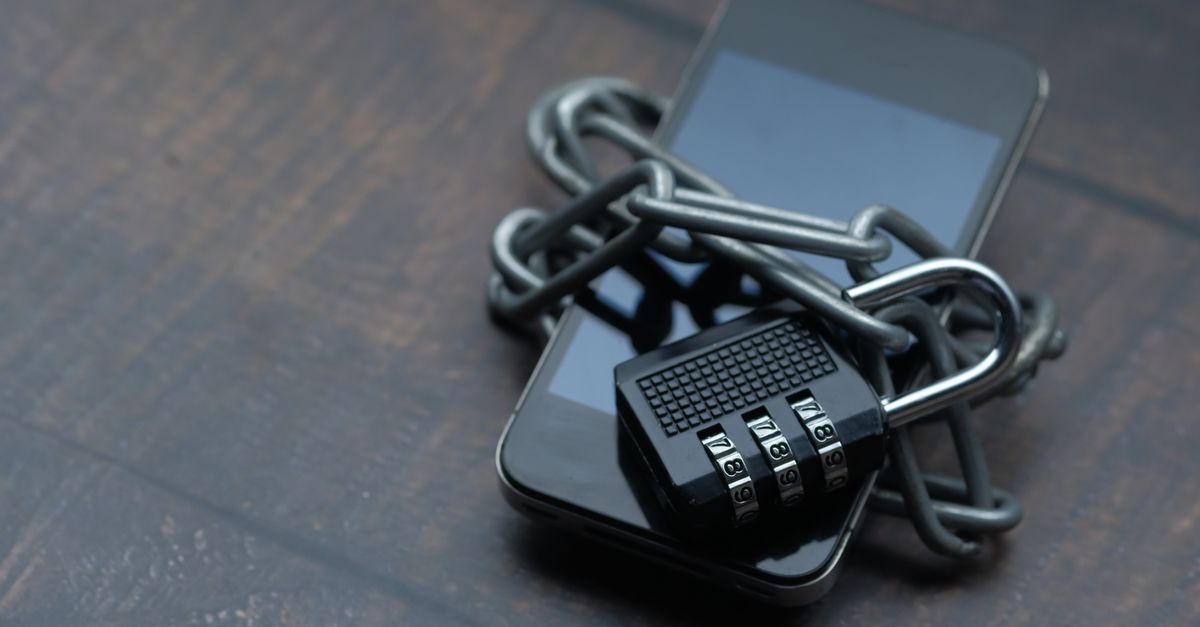
Why Verified Dating Matters More Than Ever in Nigeria
Online dating in Nigeria has a trust problem, and most people who've spent any real time on dating apps know it firsthand — the profile that turns out to be a stolen photo, the "connection" that vanishes the moment money comes up, the match who simply wasn't who their pictures suggested. Verification exists to fix exactly this.
The Trust Problem Online
Dating apps ask you to be vulnerable with a stranger based on nothing more than a few photos and some self-written text — both of which are trivially easy to fake. In a country where romance scams and catfishing have become common enough that most people know someone affected, that vulnerability carries real risk, not just the ordinary emotional risk of dating. The result is a lot of understandable defensiveness: people going in guarded, assuming the worst, screenshotting profiles to reverse-image search before they'll even reply. That guardedness protects you, but it also makes it much harder to build the kind of open connection dating is supposed to create in the first place.
Catfishing and Scams Are Real
The patterns are familiar by now — a profile with model-quality photos that never quite matches on video call, someone who always has a reason to avoid meeting in person, a relationship that escalates in affection unusually fast and then pivots to a financial emergency. None of this is unique to Nigeria, but the scale of it here, combined with how normalized "just be careful" advice has become, says something about how broken unverified dating really is. Being cautious shouldn't be the entire strategy — the platform itself should be doing real work to keep bad actors out.
How Verification Restores Confidence
This is the core idea behind how verification works on Baejá — every member is verified with a valid ID and a live selfie before they can start matching, so the person on the other end of a conversation is a real, confirmed individual, not an anonymous risk. It doesn't just filter out obvious scammers; it changes the entire emotional tone of a first conversation. You're not spending the first three exchanges quietly testing whether someone is real. You can actually focus on getting to know them.
Voice adds another layer that photos alone can't fake as convincingly — hearing someone consistently, not just seeing a curated set of images, gives you a much fuller sense of who they actually are. That's part of why Baejá pairs identity verification with voice-first introductions: together they close most of the gaps that let catfishing and scams thrive on other platforms.
Accountability Changes Behaviour
Verification does something subtler than just blocking fake accounts — it changes how real people behave once they know their identity is attached to their conduct. Anonymity tends to bring out the worst version of people online; verified identity brings a level of accountability that anonymous profiles never had. Someone who knows they've been ID-verified, and that reports on their conduct are tied to a confirmed identity rather than a throwaway account, tends to behave with more care — in how they communicate, how they treat rejection, and whether they show up honestly. That's also why our community rules matter as much as the verification step itself — a clear, enforced standard for how members treat each other, backed by real identities, is what actually keeps a dating platform safe over time, not just the initial ID check.
What Verification Doesn't Fix
It's worth being honest that verification isn't a cure-all. A verified profile confirms someone is who their ID says they are — it doesn't confirm they're kind, ready for a relationship, or telling the truth about their intentions once a conversation starts. Ordinary dating judgment still matters: notice how someone treats service staff, how they handle disagreement, whether their words match their actions over time. Verification removes the baseline fear of talking to a ghost or a scammer; it doesn't remove the normal work of getting to know a real, complicated human being.
Dating Without Fear
The end goal of all this isn't just fewer scams — it's a different emotional experience of dating altogether. When you're not bracing for deception from the first message, you can actually be present: curious about the person, honest about yourself, willing to be a little vulnerable in the way real connection requires. A lot of the general caution that's genuinely worth carrying into any online interaction is covered well in advice like online dating safety tips — but that advice works best on a platform that's already doing the structural work of verification, not one where you're the only line of defence.
Verified dating won't make every match a good one — compatibility is still something you have to figure out together. But it does remove the baseline fear that keeps so many people from opening up at all, and that alone changes what's possible. Fewer people ghosting behind fake photos means more energy spent on the part of dating that's actually meant to be enjoyable — getting to know someone. If you're ready to date people, not profiles, create your profile and meet Nigerians who are exactly who they say they are.
Ready to meet real, verified Nigerians?
Every profile is NIN-verified. Every intro is a voice note.